The right Halloween sound system is not determined by guest numbers alone. A seated company dinner for 300 people, a nightclub event for 300 and an outdoor party for 300 place different demands on the equipment.
The supplier needs to know the room, audience layout, programme, sound restrictions and performer requirements. It can then choose speakers, subwoofers, microphones, mixing and monitoring that cover the event properly.
This guide explains what affects Halloween sound system hire and what to include in your brief. For sound alongside lighting, staging, DJ equipment, screens and technicians, see our Halloween event production service.
Define What the Sound System Must Handle
List every source and moment that needs sound:
- Guest arrival music
- Background music during drinks or dinner
- Host announcements
- Speeches and awards
- Video playback
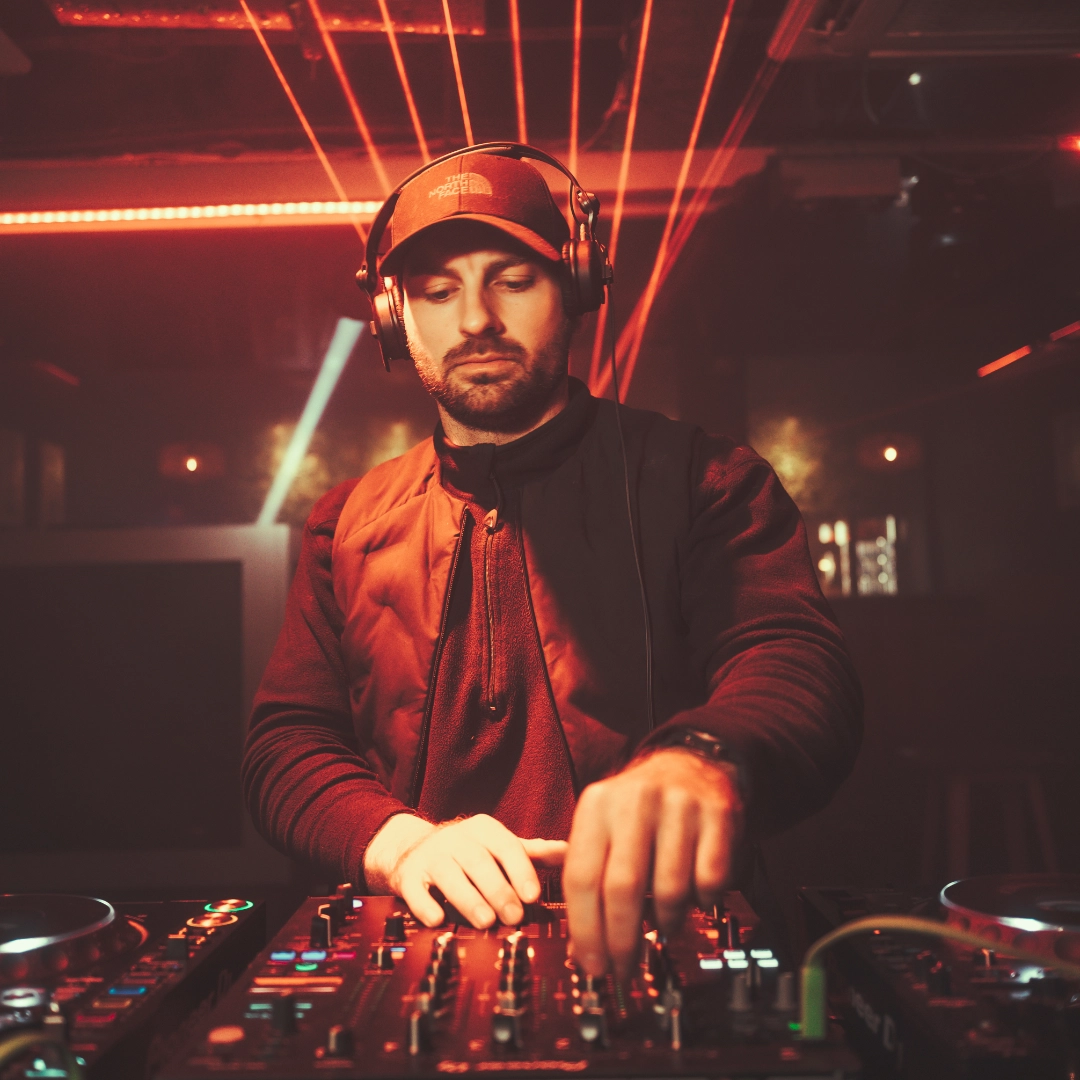
- DJ sets
- Live singers, musicians or performers
- Walk-on music and show cues
- Closing announcements
A system planned only for background music may not have the low-frequency output or monitoring needed for a DJ. A club-led system may be powerful but poorly positioned for speech across a seated room. The complete programme matters.
Give the Supplier the Audience Area, Not Just Capacity
Mark where guests will stand or sit. Include separate bars, lounges, terraces or connected rooms. A long narrow room can need additional speaker positions even when the guest number is modest.
Also identify areas that should remain quieter. Good sound design controls where the energy goes rather than filling every part of the venue at the same level.
Buy coverage and control, not a headline wattage number.
Planning Starting Points by Audience Size
These ranges are prompts, not fixed packages. The venue and programme can change the final system.
Around 50 to 150 guests
Two correctly positioned main speakers may cover a compact indoor room. Add subwoofers for a DJ-led event, plus a microphone and small mixer if there are announcements.
Around 150 to 400 guests
The system may need larger main speakers, more subwoofer support or additional coverage positions. Wireless microphones, DJ monitors and a technician become more useful when the programme changes through the evening.
Around 400 to 1,000 guests
Expect a designed system rather than a standard speaker pair. Audience width and depth, stage position, sound limits and the control location all need checking. DJ or band monitoring should be planned separately from the main audience system.
Around 1,000 to 1,500+ guests
Speaker placement, system processing, monitoring, technical staffing and site layout need a joined plan. Outdoor events also require weather planning and confirmed power arrangements from the venue or appointed power supplier.
Main Speakers and Even Coverage
Main speakers carry music and speech to the audience. Their position, height and coverage pattern determine how evenly people hear.
If all sound comes from one point at the front, guests nearby may receive too much level while the back of the room remains unclear. Additional fill or delay positions can improve coverage without forcing the main system louder.
Ask the supplier:
- Which audience area is being covered?
- How will guests at the sides and back hear?
- Are any columns, balconies or structures blocking sound?
- Where will the control position be?
- Who manages levels during the event?
When Are Subwoofers Needed?
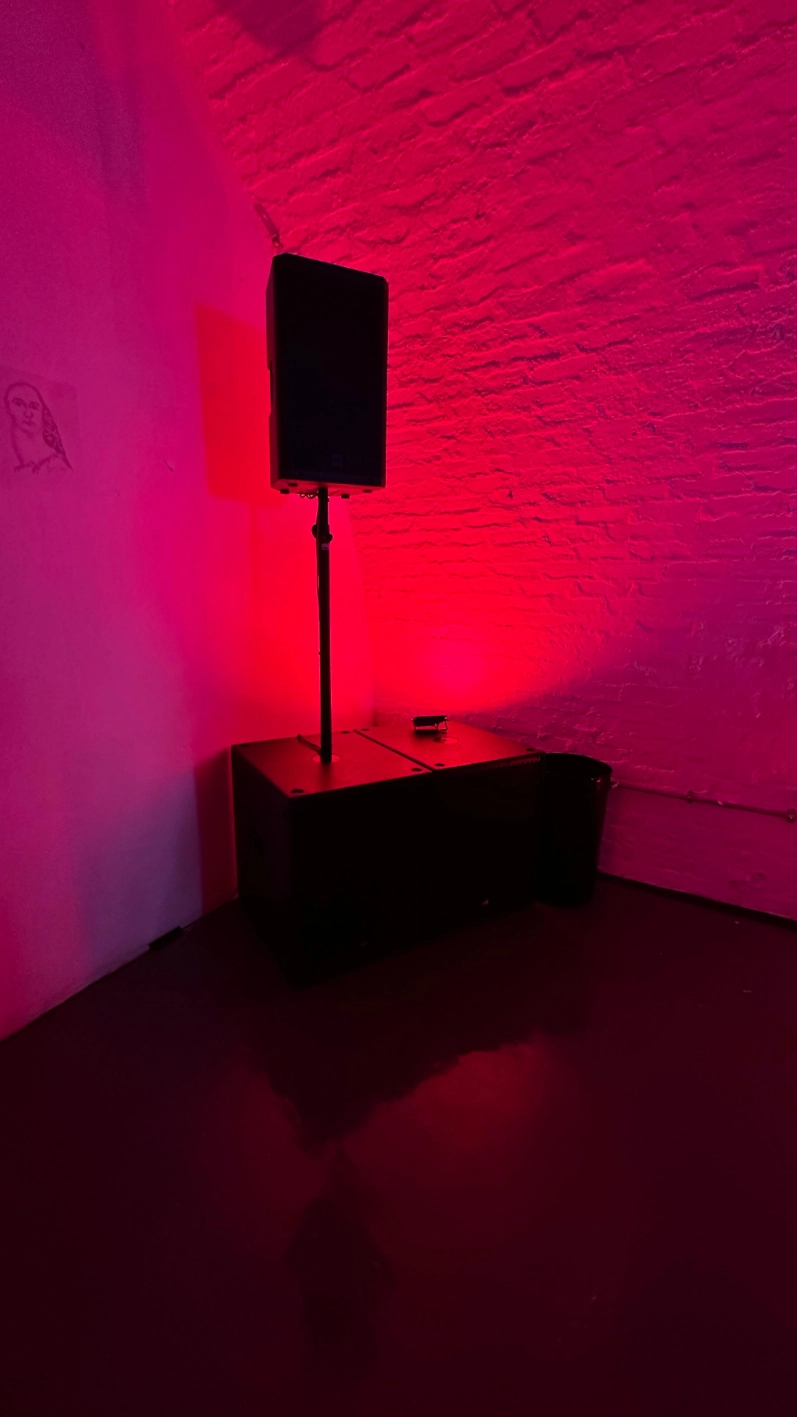
Subwoofers reproduce the low frequencies that give DJ music and live performance weight. They are usually important for club nights, festivals and dancefloor-led parties.
More is not automatically better. Quantity and placement should suit the room, music style and venue limits. A hotel event may need controlled low-frequency coverage to avoid affecting other spaces.
Microphones for Hosts, Speeches and Performers
List every person who needs a microphone and whether they appear alone or together. Common options include wireless handheld microphones for hosts and awards, headset microphones for presenters, and wired microphones for performers.
Confirm:
- Number and type of microphones
- Presenter positions
- Whether questions will come from the audience
- Who hands microphones to speakers
- Where spare batteries and backups are kept
- Who controls microphone levels
A wireless microphone is not useful if no one knows when to mute it or who is responsible for moving it between speakers.
Mixing and Playback
A mixing desk allows the technician to balance microphones, playback, DJ feeds and performers. The required channel count depends on the programme.
For videos and walk-on music, provide final files and cue notes. Check whether video audio is stereo, where the playback laptop sits and who presses play. Keep a backup copy available offline.
DJ Booth Monitoring
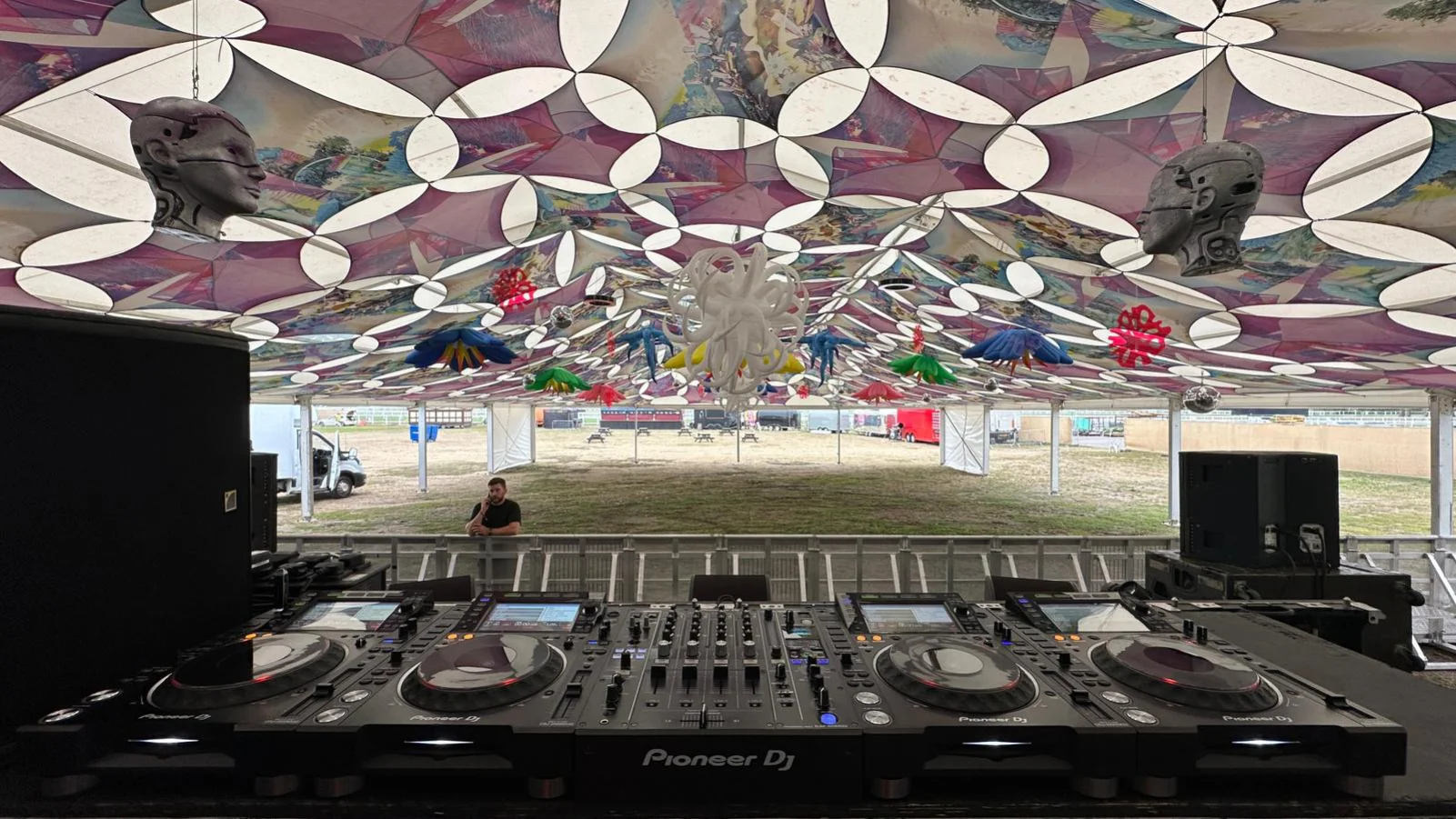
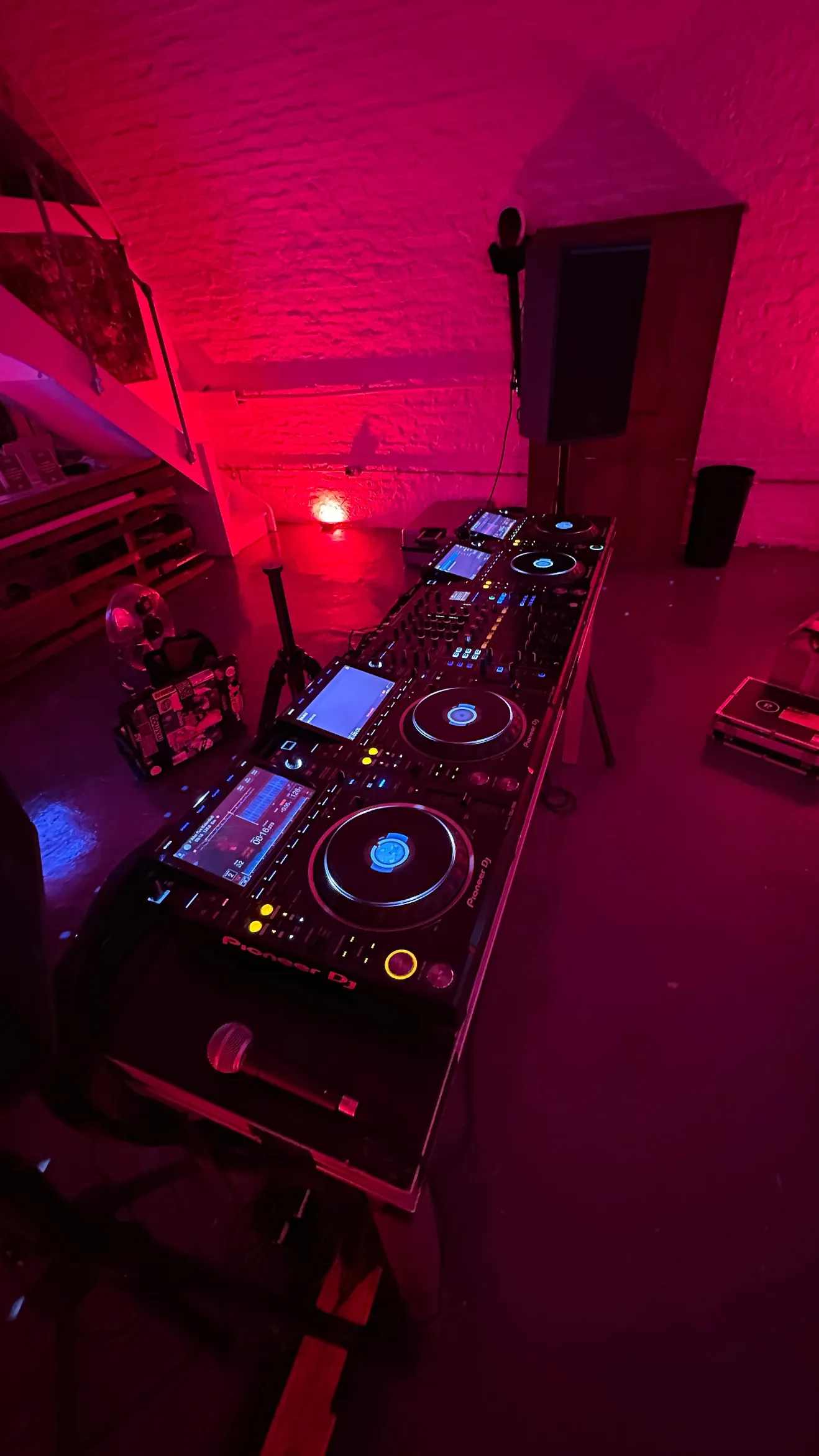
DJs need a clear local monitor signal. The main PA often faces away from the booth and can arrive late or sound unclear from the performer position.
Include one or two booth monitors with independent level control. Position them before screens, set pieces and lighting stands fill the stage.
Read our Halloween DJ equipment hire guide for the complete booth and rider checklist.
Live Performers and Stage Monitoring
A singer or band may need microphones, DI boxes, monitor wedges, a mixer with more inputs and longer sound-check time. Ask for the technical rider and stage plot early.
Do not describe a performance as “just a short set”. The technical setup still needs to be correct even if the artist performs for ten minutes.
Venue Sound Limiters and Restrictions
Ask whether the venue uses a limiter, has a curfew or applies particular speaker-position rules. Share those limits with the DJ and production team before contracts are agreed.
The system should be designed to work within the venue conditions. Turning up a poorly placed system is not a solution.
Dry Hire or a Sound Technician?
Dry hire may be suitable when:
- The system is compact
- The connection and placement are known
- A competent person will install and operate it
- The programme has few live changes
Include a technician when:
- There are speeches or awards
- Several DJs or performers are involved
- The audience area needs several speaker positions
- Levels must be managed around venue restrictions
- Sound checks and live cues matter
- The event cannot stop for troubleshooting
Anonymised Sound Examples
A Surrey nightclub event for approximately 850 guests used PA, subwoofers, DJ monitoring and a technician alongside club-standard DJ equipment and lighting. A Hampshire outdoor production for more than 1,500 attendees used line-array sound, subwoofers, stage monitoring and technicians. Client names are withheld.
Clear sound is not about making the front row louder. It is about making the full audience area work.
Get the Right Halloween PA for Your Venue
Send Beatz Hire the event date, venue postcode, room plan, guest number, running order and every performer rider. State whether you need dry hire, delivery and setup, or a technician throughout.
We supply sound systems, subwoofers, microphones, DJ monitoring and technical support within a 90-minute drive of Reading. Request a Halloween sound system quote.
Written by
Jack Bridges
Founder of Beatz Hire and Event Production Specialist
Jack Bridges founded Beatz Hire and has more than 10 years of hands-on experience planning and supplying staging, sound, lighting and technical production for events across the South East.