A practical Halloween lighting hire guide covering uplighting, moving heads, stage lighting, lasers, programming, venue checks and equipment planning.
September 29, 2026
Halloween lighting hire works best when it changes how guests read the venue. It should guide people into the event, keep practical areas visible, give speeches and performers a clear focal point, and create more energy when the party starts.
The weak approach is to order several effects and run them all night. The room has nowhere to go. Guests see the busiest look during arrival, presenters are badly lit and the dancefloor feels no different from the drinks reception.
This guide covers Halloween lighting ideas, equipment choices, programming and venue checks for private parties, company events, clubs, hotels and outdoor productions. For lighting as part of a complete setup, see our Halloween event production service.
Plan several clear states rather than one permanent look:
Give the lighting technician the running order and mark each change. Even a simple event benefits from knowing when the room should shift from reception to party mode.
Two or three colours usually create a stronger room than a mixture of every available shade. Red, violet, green, amber and cold white can all work for Halloween, but the combination should suit the venue, brand and event tone.
A corporate dinner may use restrained architectural colour with a stronger dancefloor change later. A club event can carry more contrast and movement from the start. The design should follow the event, not a preset Halloween programme.
Good Halloween lighting creates contrast between arrival, presentation and party. It does not show every effect at once.
Uplighting is one of the simplest ways to change a hotel ballroom, office or private venue. Fixtures placed around the perimeter can colour walls, columns and curtains without filling the central floor area.
Check socket positions, cable routes, guest tables and fire exits before deciding the quantity. Wireless fixtures can reduce visible cabling in some rooms, but they still need charging, placement and control planning.
Use uplighting for:
Moving lights can create beams, textures and focused positions. They are useful for DJ sets, performances, awards and room transitions.
The fixture count matters less than placement and programming. A small number in useful positions can outperform a larger rig blocked by low ceilings, banners or venue furniture.
Confirm whether they will be floor-mounted, placed on stands or supported by a suitable structure. Do not assume venue ceilings can be used.
Halloween atmosphere is not an excuse for invisible speakers. If the event includes announcements, awards, a product reveal or live entertainment, faces need controlled front light.
Check the presenter position, stage height and screen location. Avoid lighting angles that create harsh shadows or wash out the screen. If photography or filming is planned, tell the lighting team before the design is finalised.
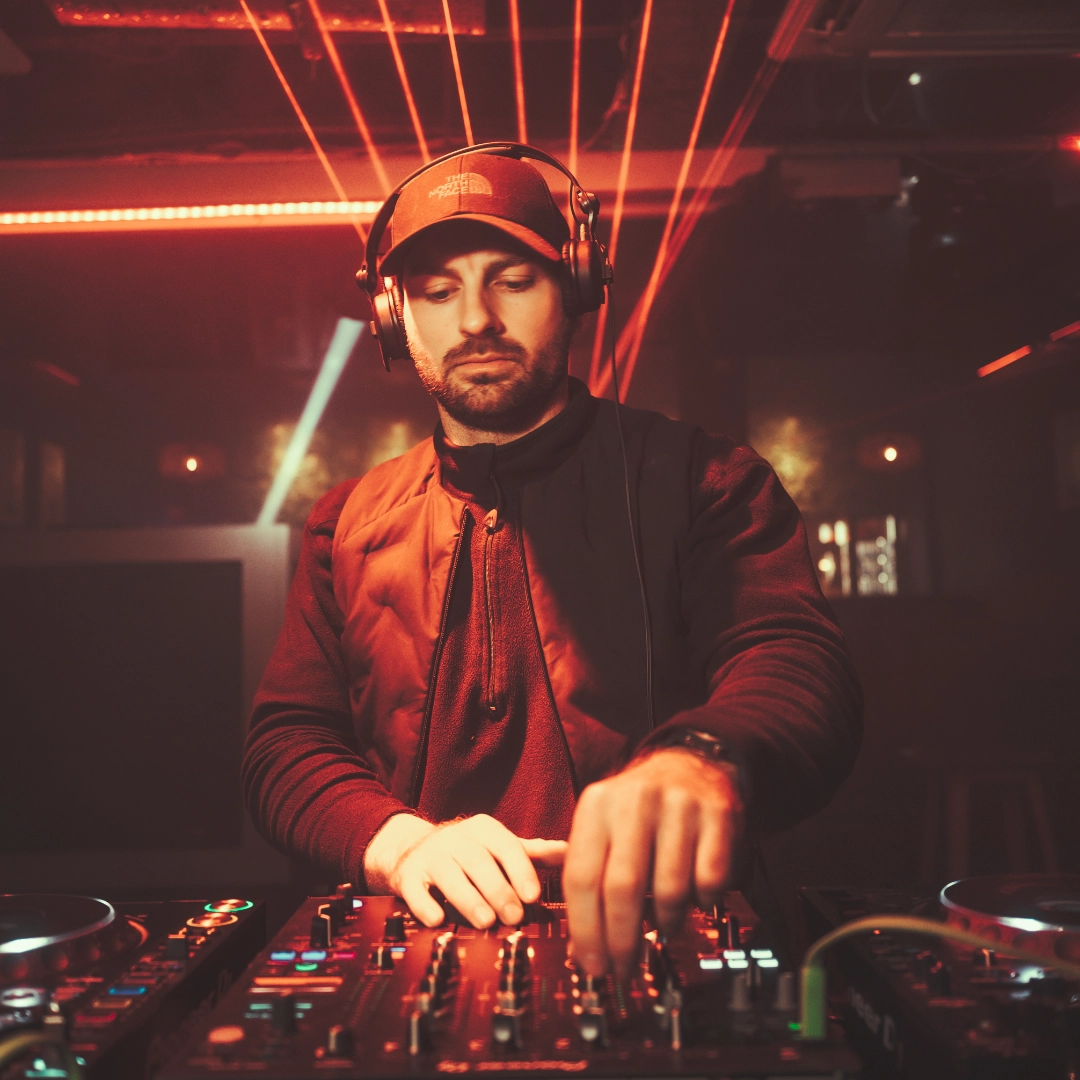
Dancefloor lighting should respond to the music and room. Moving heads, washes and programmed chases can create energy without flashing continuously.
Ask who controls the lighting. Sound-active or automatic modes may be acceptable for a very small dry-hire party, but a technician can time changes around the DJ, event schedule and guest response.
A short entrance sequence can make an ordinary corridor or foyer feel intentional. Keep steps, registration, cloakrooms and exits easy to see. The theme should never make the practical route confusing.
Lasers can suit nightclub events, university productions and headline DJ sets. They are not a default requirement for every Halloween party.
Before including them, check:
A smaller room may gain more from better moving-light programming and uplighting. The decision should be based on the venue and show, not the assumption that Halloween automatically needs a laser.
Screen content and lighting need to be designed together. Bright fixtures aimed at a screen reduce contrast. A large screen can also block lighting positions or sightlines.
Share the room plan, screen size and content purpose with both teams. Decide whether the screen is a bright focal point or a darker background element during the DJ set.

Use perimeter uplighting, controlled stage light and a clear dancefloor state. Keep table areas comfortable during food service and check venue finish times.
Combine brand colours with a darker Halloween palette. Plan clear lighting for speeches, sponsor content and photography.
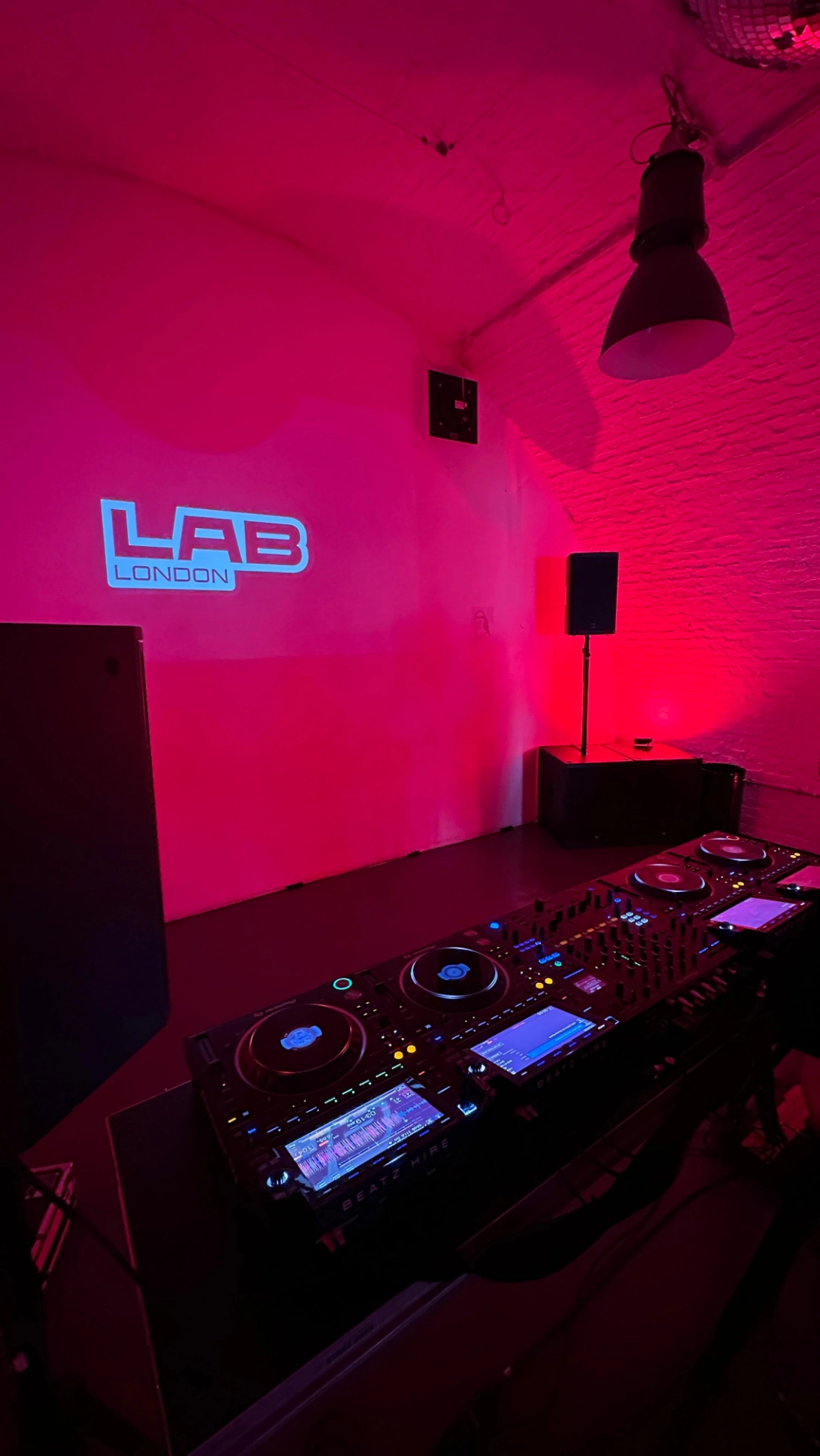
Inspect the house rig first. Add equipment only where it improves coverage, artist requirements or the show design. Confirm how visiting equipment is controlled alongside the venue system.
Use compact fixtures and careful cable routes. Consider neighbours, access and how quickly the room needs to return to normal.
Plan stage, audience, access and work lighting separately. Equipment choice and placement must reflect weather, ground conditions and the available covered areas.
A quote for equipment only will cost less than a designed and operated lighting production, but the two services are not equivalent. Compare what is installed, programmed and staffed.
Paraphrased feedback from a company event: The lighting changed the room completely, while the stage and guest areas stayed clear throughout.
Beatz Hire supplies uplighting, moving lights, stage lighting, lasers, LED screens and technicians as individual hire or part of a managed Halloween production.
We normally work within a 90-minute drive of Reading. Ideally, confirm the design at least two weeks ahead. Same-week work may still be possible depending on equipment and crew. Send us the venue, guest number and running order for a tailored quote.
Have a question or ready to get started? Let us know what you need, and our team will guide you every step of the way to make your event exceptional.
Reach out to us directly via email or phone—we’re here to assist you with any inquiries or bookings.
Stay connected and see our latest events, updates, and behind-the-scenes moments.


