A production guide for Halloween brand activations and product launches, covering the guest journey, reveal moments, sound, lighting, staging, screens and technicians.
October 12, 2026
A Halloween brand activation should be memorable for the right reason. The theme can attract attention, but the production still has to communicate a product, create useful content, move guests through the space and protect the brand's standards. A room full of seasonal effects is not automatically an effective activation.
Start by defining the action the audience should take. That might be seeing a product reveal, sampling something, sharing branded content, listening to a presentation, meeting a spokesperson or moving from an arrival experience into a party. The sound, lighting, staging and screen plan should make that action easy and obvious.
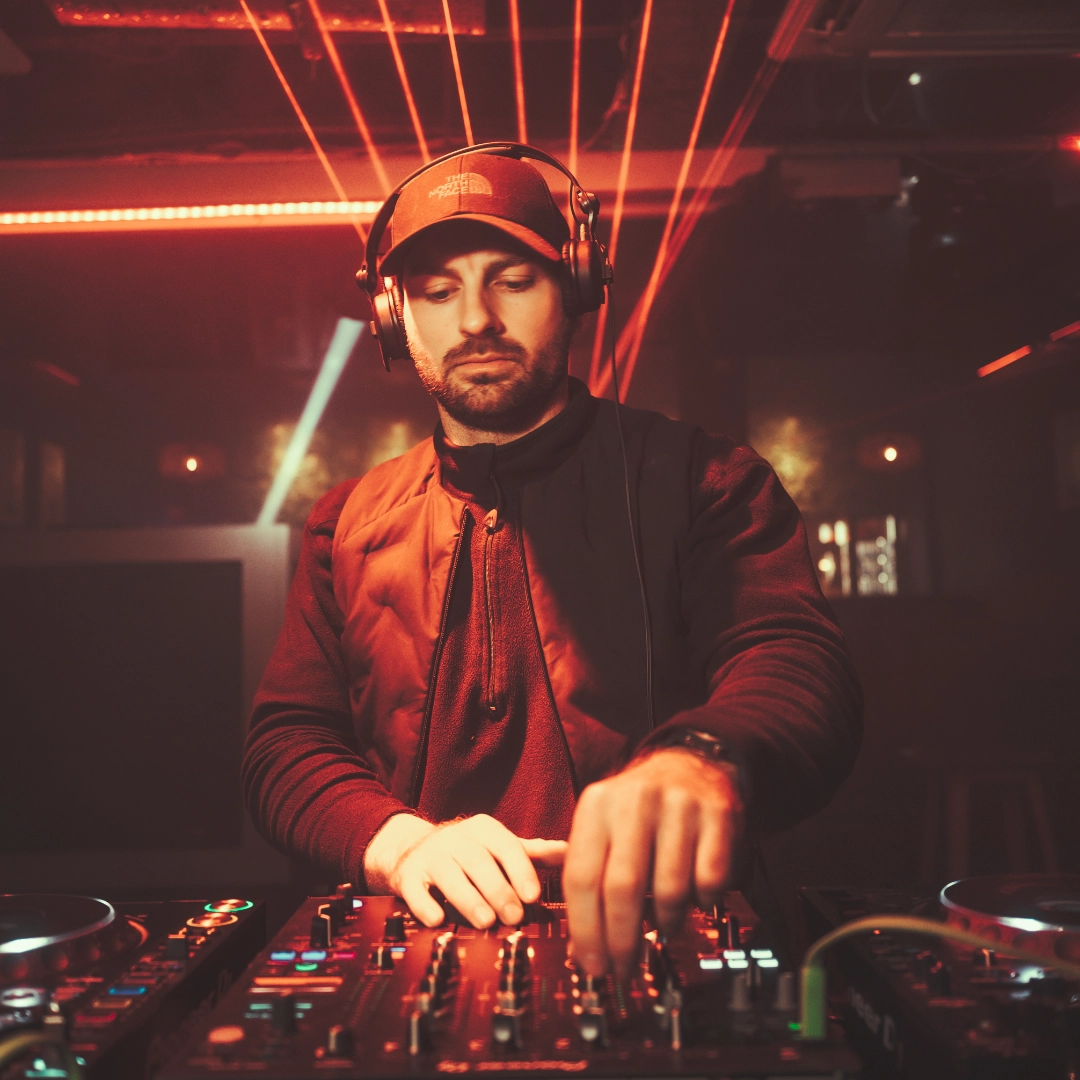
Beatz Hire provides Halloween technical production for brands, agencies, showrooms, venues and corporate teams within roughly a 90-minute drive of Reading. We supply sound, lighting, staging, DJ equipment, DJs, LED screens, lasers and technicians, either as a complete package or alongside other appointed suppliers.
A mood board is useful, but the technical team also needs dimensions, timings, audience numbers and responsibilities. Identify the hero moments, the content formats and the spaces that must remain functional. An activation may include a reception zone, live presentation, display area, photo moment, bar and DJ set, all with different requirements.
Turn the concept into a room plan and show schedule. Confirm where guests enter, where they wait, what they can see first and where cameras will be positioned. Then identify the equipment and crew needed for each point in the journey. This process prevents large scenic pieces from blocking loudspeakers, screens, exits or lighting positions.
The brand team may approve visual identity, the agency may own the programme, the venue may control rigging and access, and the production supplier may own technical delivery. Record the final decision-maker for each area so approvals do not become confused during installation.
The Halloween theme should support the campaign idea. It should never make the product, message or guest journey harder to understand.
If the event includes a reveal, write down exactly what the audience should see and hear, how long the moment lasts and what happens immediately afterwards. A useful cue sheet might include room lighting, music playback, presenter microphone, screen content, a countdown, a lighting change and the opening of a display area.
Every cue needs an operator, a trigger and a fallback. Content should be delivered early enough to test at full scale. A video that works on a laptop may contain unreadable text, unsuitable audio levels or the wrong aspect ratio when shown on an LED screen. Rehearse with the final files rather than placeholders whenever possible.
Speech must remain clear above guest noise. Loudspeaker placement, room acoustics and microphone choice matter more than sheer volume. The same system may also need to support branded audio, a live performer or a DJ later in the event, so those uses should be included in the specification from the start.
Lighting has three jobs at a brand event: reveal the space, direct attention and make the content look good on camera. Products and speakers need appropriate key light, not only saturated Halloween colour. Branded photo areas should be tested for faces, reflective surfaces and unwanted shadows.
Uplighting can define architecture, moving lights can create energy and precisely focused fixtures can draw attention to a display or stage. Lasers may suit a night-time launch or entertainment segment, but they require controlled positioning, venue approval and competent setup. Any use of haze must also be agreed with the venue.
Specify colour references for the production team and check them in the actual room. Materials, ambient light and cameras can alter how a colour appears. A short lighting test can avoid an activation that looks correct to the eye but inconsistent in photography and video.
The stage should suit the people and objects using it. A presenter, interview panel, vehicle, product plinth and DJ booth have very different footprints and loading considerations. Confirm the required height, access, finish, steps, rails and sightlines before agreeing dimensions. Any unusual load or structure must be reviewed by the relevant competent supplier.
Keep cable routes away from guest interaction points and camera lines. Where cables cross circulation routes, use an agreed protection method and include it on the plan. Installation quality matters at a launch because guests, press and content teams may inspect the environment from every angle.
An LED screen can carry campaign films, live feeds, countdowns, logos and ambient graphics. Ask who builds the files, who plays them back and who approves the final sequence. Provide the screen resolution and aspect ratio to the content team early. Avoid very small type, fine lines and rapid effects that may not reproduce well on camera.

Multi-supplier projects need a single production schedule. It should show delivery slots, scenic build, technical installation, content testing, rehearsals, guest opening, live cues and removal. Dependencies should be visible. For example, a screen cannot be fully tested until signal paths and content are ready, and lighting cannot be focused if scenic structures are still moving.
Share current drawings and updates with everyone affected. A late change to a stage, wall or display can alter cable lengths, screen sightlines and lighting positions. Revision control sounds administrative, but it prevents expensive work from being based on an obsolete plan.
Launches often involve products or campaigns that are not public. Tell the production company what information is confidential, when photography is permitted and whether crew names or vehicle details are needed in advance. Practical confidentiality rules are easier to follow than vague requests made during the build.
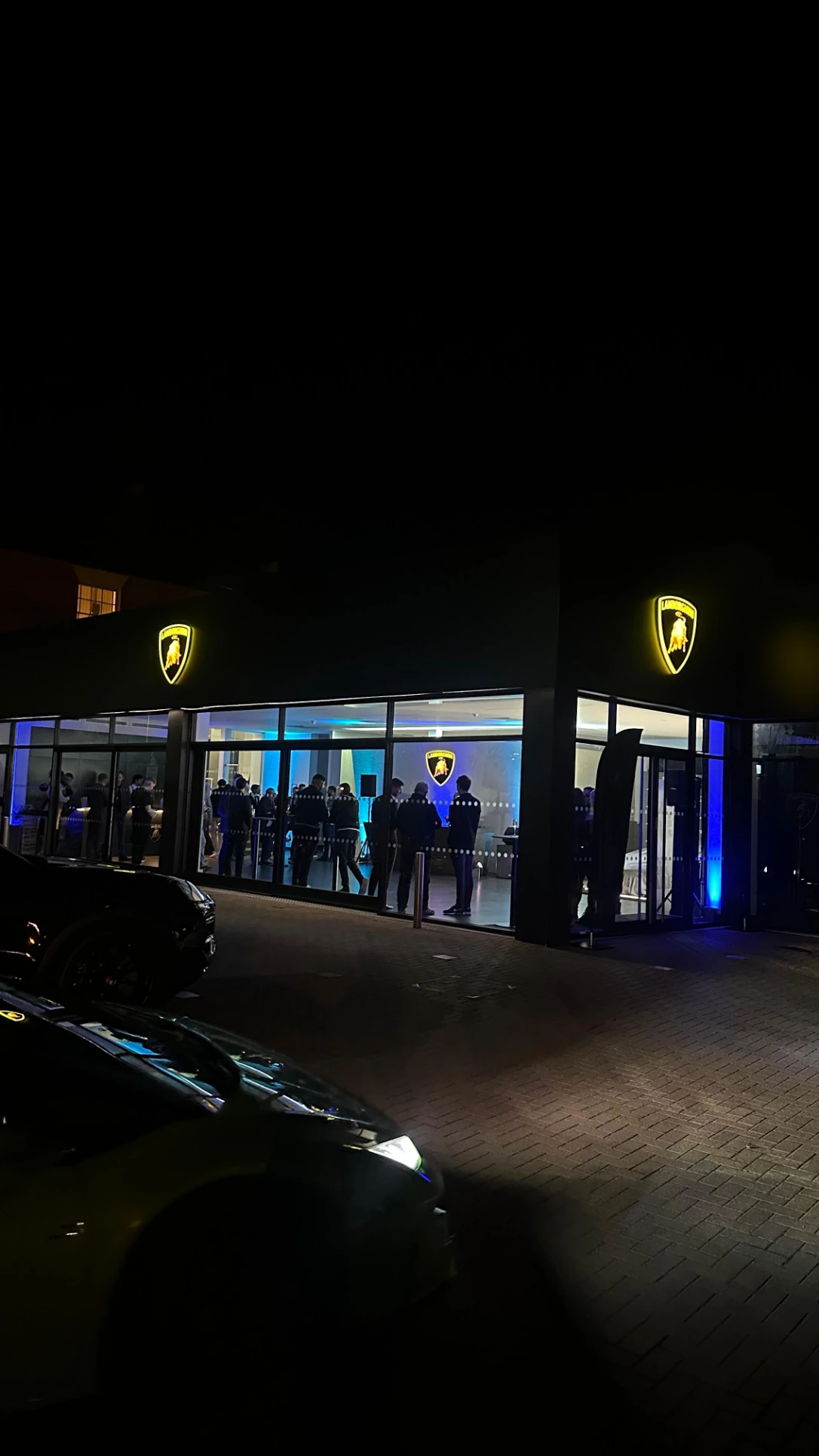
For a confidential commercial event in Berkshire, we supported a showroom-style evening for approximately 320 guests. The package included sound for presentations and entertainment, wireless microphones, professional DJ equipment, architectural uplighting, moving lights, LED screens, a modular presentation platform, delivery, installation and technicians.
The event moved from guest arrival through a short presentation and screen-led reveal into hospitality and music. The technical schedule protected testing and rehearsal time before doors. Screen content, microphone positions, lighting looks and the DJ transition were checked as connected parts of the same programme. The company name and product details are withheld.
Two weeks is our preferred minimum for a straightforward Halloween event. Brand activations and launches usually benefit from longer because content, approvals, venue access and rehearsals involve more stakeholders. Same-week work may be possible when stock, crew and the brief align, but late creative changes can limit what can be tested properly.
Paraphrased feedback from a confidential brand event: the technical team understood the reveal sequence, kept the installation tidy and gave the client confidence during rehearsals.
Beatz Hire can support the complete technical package or a defined part of it. We work across Reading, Berkshire, London and much of the surrounding South East.
Review our Halloween event production services, then send the objective, date, location and approximate audience through our contact page for a tailored proposal.
Have a question or ready to get started? Let us know what you need, and our team will guide you every step of the way to make your event exceptional.
Reach out to us directly via email or phone—we’re here to assist you with any inquiries or bookings.
Stay connected and see our latest events, updates, and behind-the-scenes moments.


