Discover what event production really involves from sound and lighting to on-the-day delivery. Learn the difference between planning and production, and get real-world advice from the team at Beatz Hire.
September 15, 2026

Event production is the work that turns an event plan into something that actually works when guests arrive.
It is the stage people stand on, the sound system that lets the room hear clearly, the lighting that directs attention, the screen that can be seen from the back, and the crew making sure everything is checked before the first person walks through the door.
For organisers, the confusion usually starts with one question: what does an event production company actually do?
The answer depends on the event. A small private party may only need speakers, lighting and a DJ setup. A corporate conference may need microphones, screens, staging, presentation support and technicians. A festival could need sound systems, outdoor staging, power planning, lighting, DJ equipment, access coordination and crew throughout the day.
This guide breaks down what event production services normally include, what changes from one event to another, and when bringing in a production team saves you from trying to coordinate five separate suppliers yourself.
Event production covers the technical and physical delivery of an event.
It includes the equipment, setup, crew, timing and practical planning needed to make the event look right, sound right and run without avoidable technical problems.
A full event production service can include sound, lighting, staging, AV, screens, microphones, DJ equipment, power, delivery, setup, testing, technical crew and pack-down. The exact setup should be based on the venue, crowd size, event format, schedule and what guests need to see or hear.
The easiest way to think about it is this.
Event planning decides what is happening. Event production makes it happen on the day.
A planner may book the venue, arrange catering, invite guests and manage the schedule. The production team looks at the room or site and works out where the stage goes, how the sound will travel, how people will see the screen, where cables can safely run and what technical support is needed during the event.
That distinction matters because an event can be well organised on paper but still fall apart in the room.
A speaker can have a great presentation, but it does not land if the audience cannot hear them. A DJ can have the right playlist, but the atmosphere falls flat if the sound system is undersized. A product reveal loses impact when the stage is cramped, the lighting is poor or the screen cannot be seen from half the room.
Production is what closes that gap.
People often use event management and event production as though they mean the same thing. They overlap, but they are not identical.
Event management usually focuses on the wider organisation of the event. That may include budgets, guest lists, suppliers, catering, venue booking, schedules, permits, staffing and communications.
Event production focuses on the technical and visual side. It deals with the environment guests walk into and the systems that keep the event moving.
For example, an event manager might decide that an awards ceremony needs a host, a guest list, food service and a running order. The production team would then plan the stage, lectern, microphones, lighting, screens, walk-on music, presentation playback and technical support.
At a festival, the event manager may arrange vendors, security, tickets and site logistics. The production team will work around the stage, PA system, monitors, lighting, DJ equipment, power requirements, crew access and timings for each act.
Some businesses offer both services. Others, including Beatz Hire, can work alongside an organiser, venue team or event planner and take ownership of the technical side.
The important part is knowing who is responsible for what before the event date gets close. Vague responsibilities are where problems start.
A proper production proposal should be built around the event, not sent as the same equipment list to everyone.
Still, most full event production services are built from a few core areas.
Sound and audio
This can include PA systems, speakers, subwoofers, microphones, mixing desks, monitor speakers and playback equipment. The right sound system depends on the number of guests, room size, music type, whether there are speeches, and whether the event is indoors or outdoors.
A small speech-based event needs clear speech coverage. A DJ event needs more low-end and stronger coverage across the room. A festival setup may need a larger system, stage monitors and technical support for multiple artists.
Lighting
Lighting helps people see what matters. It can cover stage washes, moving lights, uplighting, dancefloor lighting, practical venue lighting and lighting for entrances or outdoor areas.
For corporate events, lighting can help presentations, speakers and awards moments feel organised. For parties and live events, it helps create energy and gives the room a stronger atmosphere once the lights go down.
Staging and event infrastructure
Staging might include a simple platform for a speaker, a raised DJ area, a modular stage for performers, steps, handrails, lecterns, pipe and drape, barriers or cable ramps.
Stage hire should always be planned around the people using it. A stage that is too small creates a cramped setup. One that is too high or poorly positioned can make the event feel disconnected from the room.
AV, screens and presentations
AV can include LED screens, projection, TVs, confidence monitors, presentation clickers, laptops, video playback and switching equipment.
For conferences, product launches and awards ceremonies, this part is often the difference between a polished event and one where people are squinting at a screen or waiting while someone tries to connect a laptop.
DJ equipment and performance setups
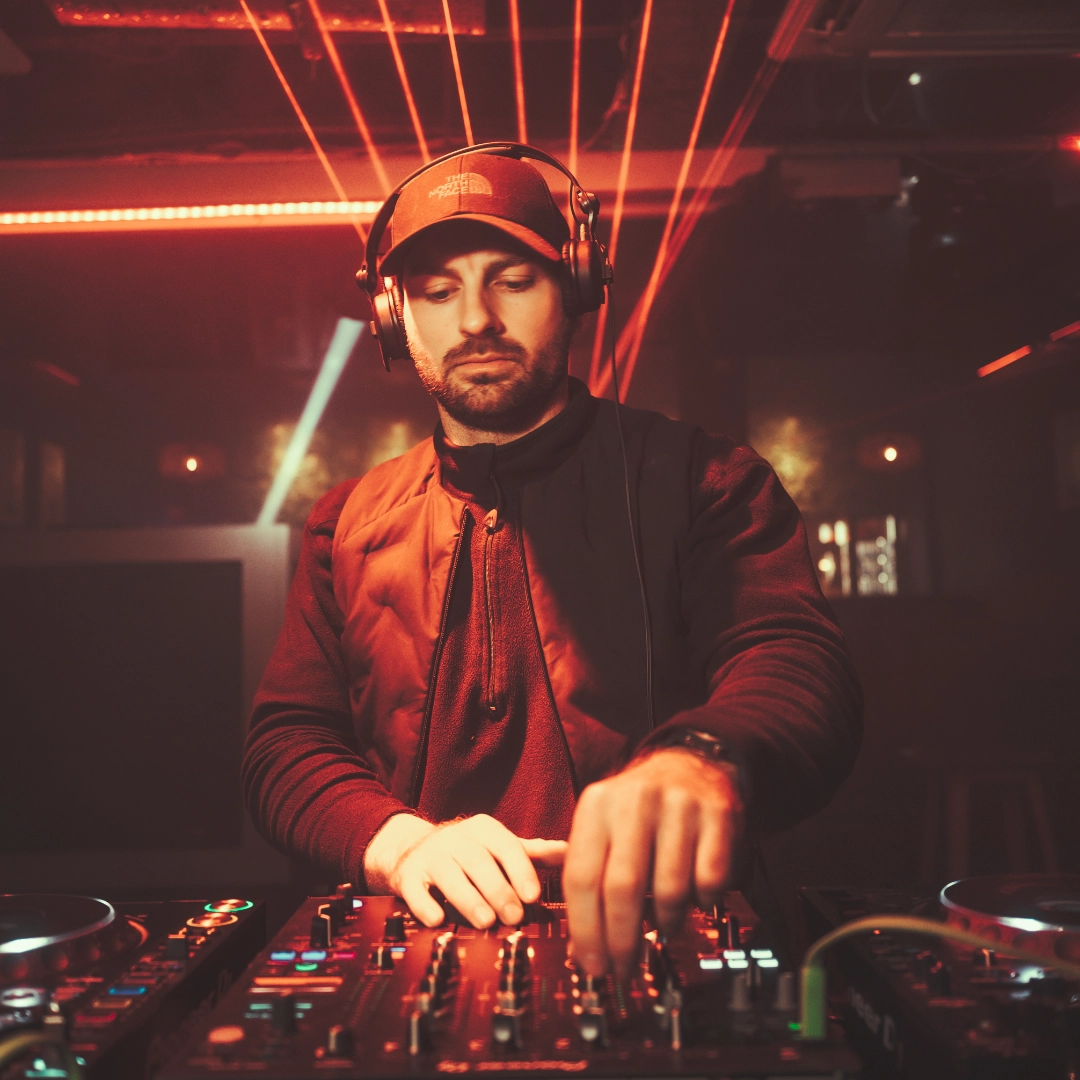
For events with DJs or live performers, production may include CDJs, mixers, DJ booths, monitor speakers, backline, microphones and the cables needed to connect everything properly.
The technical setup should match what the performer needs. That is why it is worth checking any technical rider early rather than finding out on the day that the performer expected equipment you have not hired.
Good event production does not begin when the van arrives.
Before the event, the production team should understand the venue or site, access restrictions, event timings, crowd size, performance schedule and equipment requirements. For larger or more complex events, this may involve a site visit or a detailed discussion with the organiser and venue.
This stage is where the right questions get asked.
Can vehicles access the site? Is there enough power available? Where will speakers, screens and staging go? Are there noise restrictions? Is the ground suitable for outdoor staging? How much setup time is available? Will the event continue after dark?
On the day, the team delivers equipment, builds the setup, runs cables safely, tests sound and lighting, checks microphones, confirms screen content and makes sure the space is ready before guests arrive.
During the event, on-site technicians can manage audio levels, presentation playback, lighting changes, artist changeovers and any issues that need sorting quickly. Not every event needs a technician all day, but for larger events, festivals, conferences and high-pressure launches, it is usually a sensible decision.
After the event, the crew handles pack-down and collection.
That may sound simple, but it is one less job for an organiser who is already dealing with guests, suppliers, venue handover and the inevitable last-minute questions that happen at every event.
The same equipment package does not suit every event. That is why “one size fits all” quotes are usually a warning sign.
A corporate event may need speech microphones, branded presentation screens, controlled lighting and a technician who can support presenters. A food festival may need a stage for demonstrations, music between sessions, PA coverage around open areas and practical lighting once daylight fades.
A college festival may need a larger DJ setup, stronger sound, outdoor staging and a crew that can work around changing set times. A private party may only need a sound system, lighting and a DJ booth, but the room shape and guest numbers still matter.
Beatz Hire supports events from around 100 guests through to 2,500+ people. That includes college festivals, food festivals, corporate events, outdoor events, private parties and live music setups across the South East.
The goal is not to throw more equipment at the job. It is to hire what the event actually needs and avoid spending money on things that will not make a practical difference.
Dry hire means you rent the equipment and handle the rest yourself.
That can work well when you have an experienced organiser, a straightforward venue and a clear plan for collection, setup, operation and return. For example, a DJ who knows exactly what kit they need may only want to hire CDJs and a mixer. A venue team may only need extra lighting or a sound system for a small event.
Full event production is different.
You are hiring the equipment, but you are also paying for the planning, delivery, setup, testing, crew and support that make the setup work as one system.
This is usually the better route when:
Beatz Hire can support both dry hire and full production. The right choice depends on how much responsibility you want to take on yourself and how much technical risk the event carries.
Before choosing an event production company, ask clear questions.
What equipment is included? Does the quote include delivery, setup and collection? Is there a technician on site? How much setup time is needed? Is the equipment suitable for the audience size? Has the supplier considered the venue or outdoor site? What happens if the schedule changes? Are the crew trained for the work involved?
You should also ask about safety and equipment checks.
Beatz Hire provides insured service, PAT tested equipment and safety-trained crew. For larger events, that matters. You are not just hiring speakers and lights. You are bringing technical equipment, power, staging and cables into a live environment with staff, guests and performers moving around it.
Be honest about your budget and event requirements from the start. It helps the production team suggest the right level of support instead of building a quote around assumptions that may not hold up on the day.
Short-notice support can sometimes be possible, subject to availability. Beatz Hire has recently fulfilled an event requirement with 48 hours’ notice, but that should be treated as the exception, not the plan. The earlier you involve the production team, the more options you will have.
Event production should make the organiser’s job easier.
You should not be chasing separate suppliers to find out who is delivering the stage, whether the microphones are included, where the cables are going or who is checking the sound before the doors open.
Beatz Hire provides full event production across the South East, covering sound, lighting, staging, AV, DJ equipment and on-site technical support. From indoor corporate events to outdoor festivals, the setup is planned around the event rather than forced into a generic package.
Anywhere a stage can be set up safely, we can help plan the production around it.
Tell us what you are organising, where it is happening, how many people are attending and what you need the event to do. We will help you work out the right technical setup, the equipment required and the level of crew support that makes sense.
Get in touch with Beatz Hire to start planning your event production.

Have a question or ready to get started? Let us know what you need, and our team will guide you every step of the way to make your event exceptional.
Reach out to us directly via email or phone—we’re here to assist you with any inquiries or bookings.
Stay connected and see our latest events, updates, and behind-the-scenes moments.


