Event lighting is not just there to make a room look better. The right setup helps guests see where they are going, keeps attention on the stage, supports photos and video, and changes how the event feels after dark. This guide explains what lighting you may need for corporate events, awards nights, parties, festivals and outdoor setups.
September 15, 2026

Most people only notice event lighting when it is wrong.
The room is too dark for guests to see where they are going. The presenter is lost in shadow. The stage looks flat in every photo. The DJ is playing, but the room still feels like a conference space. Or an outdoor event runs into the evening and suddenly nobody can see the paths, exits or key areas clearly.
Good event lighting fixes those problems before they become visible.
It helps people understand where to look, where to walk and what part of the event matters at that moment. It can make a plain hotel room feel more considered, turn a DJ setup into a proper focal point, give an awards night more impact or make an outdoor site usable once daylight fades.
The challenge is that “lighting hire” can mean almost anything. You might need a few uplighters around a room. You might need a stage wash for speakers. You might need practical lighting for an outdoor route, dancefloor effects for a party or a fuller lighting setup for a festival stage.
This guide explains what each type of event lighting is for, what changes depending on your event and how to avoid paying for the wrong setup.
Before choosing lights, ask what problem you are trying to solve.
For some events, the answer is atmosphere. You want a room to feel warmer, more polished or more like your brand. For others, it is visibility. Guests need to see a presenter, a stage, a screen, a walkway or a food service area. For parties and DJ-led events, the goal may be energy and movement. For outdoor events, safety becomes part of the decision too.
Most event lighting setups fall into one or more of these jobs:
Once you know which of those matters most, the right lighting becomes much easier to plan.
The mistake is hiring lights just because they “look good” online. A lighting setup should work with the room layout, event schedule, audience and other equipment, including sound, staging, screens and DJ gear.
Uplighting is one of the simplest ways to change a room without filling it with equipment.
These lights are placed around walls, pillars, backdrops or architectural features to add colour and depth. They are often used for corporate events, gala dinners, awards ceremonies, private celebrations and hotel function rooms.
Uplighting works well when you want to:
For an awards ceremony, uplighting can help the room feel more like an occasion before the first award is announced. For a corporate dinner, it can give the venue a cleaner branded look without getting in the way of guests. For a private party, it can make a familiar space feel completely different.
The key is restraint.
Too little uplighting can disappear in a large room. Too much can make the room feel overdone or distract from the stage. The right number depends on the room size, wall layout, existing venue lighting and how much colour you want in the space.
If people need to look towards a stage, that stage needs lighting.
This sounds obvious, but it is one of the most common gaps in event planning. A venue may have overhead lighting, but that does not mean your host, DJ, speaker or performers will be properly visible.
Stage lighting can include:
For corporate events, stage lighting helps speakers look clear and professional in person, in photographs and on video. For awards nights, it makes winners visible when they walk on stage and prevents the trophy handover from disappearing into a dark corner of the room.
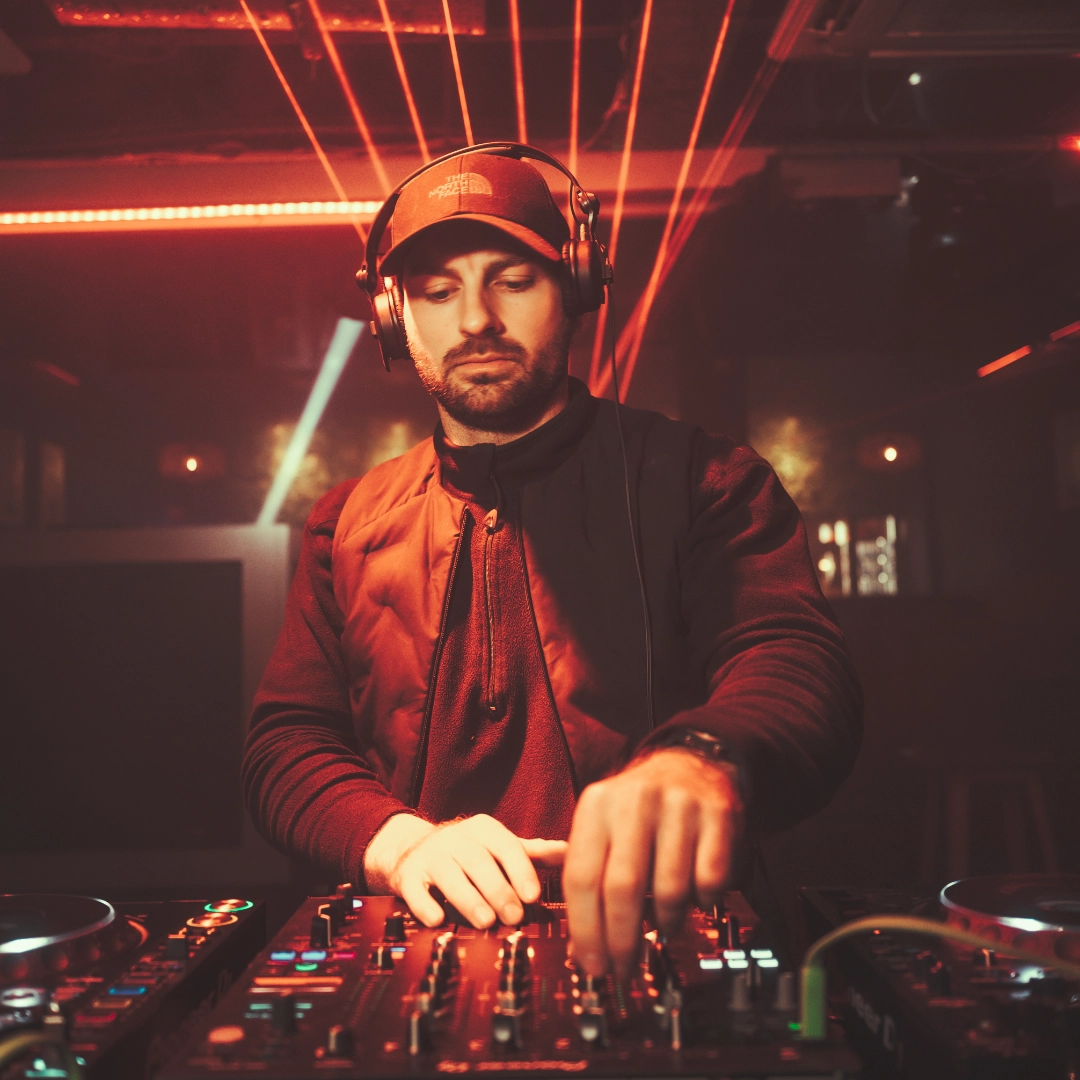
For DJ events and live music, stage lighting creates energy. It gives the crowd a focal point and helps the performance feel like the centre of the room rather than background entertainment.
The stage lighting plan should also work with any screens. Bright lights aimed in the wrong direction can wash out projection or make content harder to see. This is why screens, lighting and staging should be considered together rather than hired as separate jobs.
A party can have great music and still feel flat if the lighting never changes.
Dancefloor lighting is about movement, colour and timing. It gives guests a reason to move closer to the action and helps the room shift from dinner, drinks or speeches into a proper evening event.
Common options include:
Not every party needs all of that.
A small birthday party may only need a few effect lights and a DJ setup. A larger party, club night or university event may need a stronger visual setup that works with the music and fills a bigger space.
The thing to avoid is putting all the lighting in one place.
If the dancefloor is the main focus, the setup should make that obvious. Guests should see where the energy is coming from as soon as the music starts. A few well-positioned lights can often do more than a large number of random fixtures.
Outdoor event lighting has two jobs.
The first is making the event look good after dark. The second is making sure people can move around the site safely.
For an outdoor party, food festival, college event, community event or festival site, lighting may be needed around:
This is where practical lighting matters.
Festoon lighting, floodlighting, uplighting and feature lighting can help create atmosphere, but they are not a substitute for clear access lighting. Guests still need to see where they are walking, especially if the ground is uneven, the event is spread across a large space or the site is busy.
Outdoor lighting also needs to be planned around the weather, power source, cable routes and event timing. A daytime event may not need much lighting at first, but if the schedule extends into the evening, the setup needs to be ready before daylight disappears.
Do not leave this until the last week.
Outdoor lighting often affects where cables run, where equipment is placed and how the wider site is laid out. It should sit within the main event production plan, alongside sound, staging, power and crew access.
Corporate lighting is usually less about creating a nightclub look and more about helping the event feel considered, clear and on-brand.
A conference, awards night, gala dinner or product launch may need:
For corporate events, flat venue lighting is often the issue.
Hotel ballrooms and conference rooms are built to be practical, not memorable. A few well-planned lighting changes can make a room feel more like it belongs to the event rather than looking like every other function held there that week.
The lighting should support the brand, not overpower it.
For example, branded uplighting can carry company colours around the room. Stage lighting can keep the presenter visible. A subtle lighting change can signal the start of an awards section, a product reveal or an evening entertainment block.
The point is to guide attention without making the event feel overproduced.
Festival lighting has to work on a larger scale.
It needs to support performers, help the crowd see the stage, create energy during music sets and keep key areas of the site visible once it gets dark.
Festival lighting may include:
The setup depends on the event type.
A food festival may need a demonstration stage, presenter lighting and practical lighting around vendor areas. A college festival may need a stronger DJ-focused setup. A live music event may need more detailed stage lighting, monitor visibility and crew support during artist changeovers.
The bigger the event, the less sense it makes to treat lighting as a standalone hire.
It needs to work with the stage, sound system, power plan, running order and on-site crew. That is especially true for events with multiple performers, evening schedules or crowds moving across a larger outdoor space.
Some events only need lighting equipment. Others need a lighting team.
Dry hire can work when you know exactly what you need, the venue is straightforward and someone on your team can set up and operate the equipment safely. This is more common for smaller events, simple DJ setups or organisers who already have technical experience.
Managed lighting production is usually the better choice when:
With managed support, the team can plan the setup, deliver equipment, install it, test it, operate it where needed and pack it down after the event.
That gives the organiser one less thing to worry about.
Beatz Hire offers both dry hire and full event production support across the South East. The right route depends on the event, the venue and how much responsibility you want to manage yourself on the day.
Most lighting problems are not caused by bad equipment. They are caused by poor planning.
Common mistakes include:
The fix is to start with the event schedule.
What needs to happen when guests arrive? What needs to be visible? When does the event move from daytime to evening? Where will the focus be during speeches, awards, DJ sets or performances?
Those answers should shape the lighting plan.
Before requesting a lighting quote, make sure you can answer:
The more detail you can provide, the easier it is to build a lighting setup that looks right and works properly.
The right event lighting does more than make a venue look better.
It helps the stage work, keeps guests focused, supports photos and video, creates atmosphere and makes the event easier to run once daylight fades.
Beatz Hire provides event lighting hire across the South East for corporate events, awards nights, private parties, DJ events, festivals and outdoor productions. We can supply lighting as part of dry hire or build it into a wider event production setup with sound, staging, DJ equipment and on-site technical support.
Tell us where the event is taking place, how many people are attending, what needs to happen on stage and how late the event is running. We will help you work out the lighting that makes sense for the space, without loading the quote with equipment you do not need.

Have a question or ready to get started? Let us know what you need, and our team will guide you every step of the way to make your event exceptional.
Reach out to us directly via email or phone—we’re here to assist you with any inquiries or bookings.
Stay connected and see our latest events, updates, and behind-the-scenes moments.


