A technical planning guide for nightclub and venue Halloween events, covering house-system audits, DJ riders, PA, lighting, lasers, staging and crew.
October 6, 2026
.webp)
Halloween can be the busiest club night of the autumn, and it places unusual pressure on a venue's technical setup. A bigger line-up, extra décor, temporary staging, lasers, guest performers and a sold-out room can all expose problems that remain hidden on a normal trading night.
The correct starting point is not a shopping list. It is an audit of the house system, the event format and the performers' technical requirements. Beatz Hire supports nightclubs, bars, music venues and promoters within roughly a 90-minute drive of Reading. We can supply sound, lighting, staging, rider-ready DJ equipment, DJs, LED screens, lasers and technicians to supplement or temporarily replace the installed production.
This guide explains the checks that prevent common Halloween failures, including unsuitable DJ equipment, weak dance-floor coverage, unsafe temporary installations and late disputes about access or sound limits.
List every installed item and test it under event conditions. A loudspeaker that passes background music may distort during a peak club set. A mixer channel may work intermittently. A lighting fixture may respond to basic control but fail during a programmed cue. Halloween is not the night to discover these faults.
Record the loudspeaker positions, available processing, amplifier headroom, subwoofer coverage, mixer inputs, DJ booth connections, lighting-control protocol, rigging points and electrical circuits. Note what must remain in place and what can be isolated. If hired equipment is added to the installed PA, the integration and processing need a coherent design.
Request technical riders from every visiting DJ or artist. Confirm exact player and mixer models, the number of decks, monitor preference, microphone use, laptop connections and any changeover requirements. Similar-looking equipment is not automatically an acceptable substitute when a performer has prepared for a specific workflow.
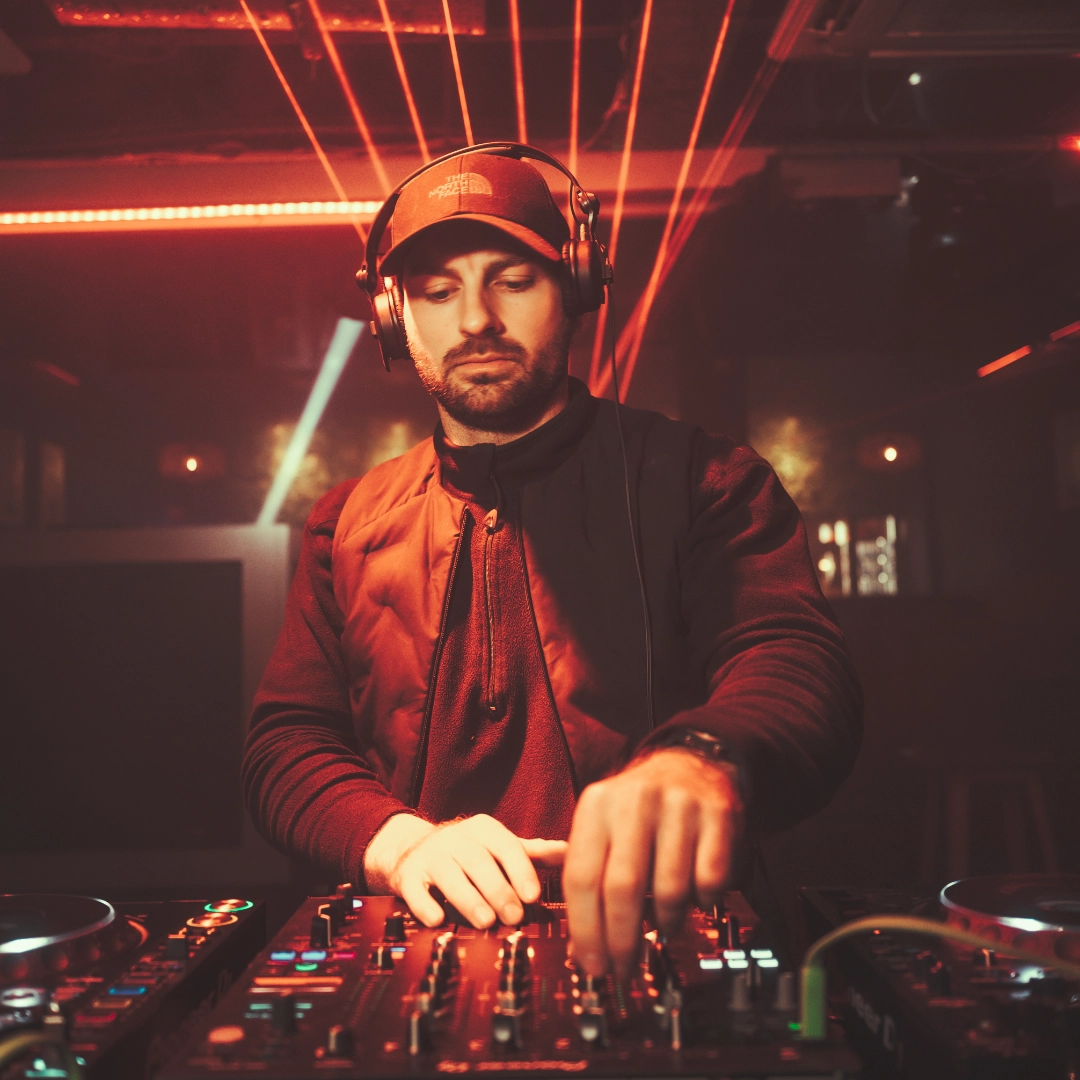
A Halloween club setup is only rider-ready when the exact equipment, connections, booth layout and monitoring have been confirmed.
The booth should be level, rigid and large enough for the agreed equipment without placing drinks or personal items over connections. It needs sensible cable routes, reliable power distribution and clear access for the technician. Monitors should point towards the performance position and provide enough level without creating uncontrolled spill into microphones or the main room.
If several DJs are using different configurations, plan each changeover in advance. A separate input or redundant playback option can protect the room while equipment is changed. USB media should be checked, network links between compatible players tested and firmware differences identified before doors open.
Capacity alone does not specify a PA. Ceiling height, room geometry, bar locations, balconies, reflective surfaces and the relationship between the dance floor and seating areas all affect coverage. The goal is controlled, even sound where it is wanted, not maximum level everywhere. Venue licence conditions and local limits remain part of the brief.
Halloween lighting can divide the venue into distinct zones. Entrance and queue areas need visibility and atmosphere. Bars need enough practical light to operate. The dance floor can use moving lights, strobes and saturated colour, while scenic features can be picked out with narrow beams or uplighting.
Programme the system around the music and the event timetable. A continuous maximum-intensity show has nowhere to build. Stronger results come from contrast: darker atmospheric periods, controlled movement, clear drops and selected feature moments. Any haze or smoke effect must be agreed with venue management and fire-safety arrangements.
Lasers can create a memorable Halloween look, especially in a room with suitable haze, but they require appropriate equipment, safe positioning and competent operation. Projection zones should be kept away from unapproved audience exposure, reflective hazards and sensitive areas. The venue and production team should agree the plan before installation.
A small increase in booth height can improve performer visibility, but temporary staging changes access, crowd flow and potential fall risks. Choose dimensions that fit the performer footprint and allow safe steps or access. Do not build a platform that blocks an exit, reduces a required gangway or encourages guests to climb into the performance area.
LED screens or video walls can support branded event visuals, countdowns, performer identities and sponsor content. Confirm content ratios, playback responsibility and sightlines before choosing a screen size. In a low-ceilinged club, position can matter more than total screen area.
Fabric, props and suspended decorations must not obstruct loudspeakers, moving lights, ventilation, detectors, sprinklers, exit signs or cable routes. Flammable or loose materials around hot fixtures and electrical equipment create avoidable risk. The production layout should be agreed before the room is dressed.

Work backwards from the advertised opening time. Delivery, load-in, staging, rigging, cabling, system integration, focus, programming, soundcheck and performer checks all need realistic windows. If the venue trades the night before or has a daytime event, removal and storage of the existing setup may affect the plan.
Share parking restrictions, loading-bay rules, stairs, lift dimensions and noise curfews before the quote is finalised. The crew also needs to know when security takes control of entrances and whether cases can remain onsite during the event.
Identify who manages the promoter schedule, who liaises with performers, who controls the house system and who has authority to respond to a technical or safety issue. Our technicians can operate and monitor the systems we supply, but venue management retains responsibility for venue operations, licensing, security and evacuation procedures.
For an independent nightclub in Surrey, we supported a Halloween event for approximately 850 guests. The supplied production included PA reinforcement and subwoofers, Pioneer CDJ-3000 players with a DJM-V10 mixer, DJ monitoring, moving lights, lasers, a modular performance platform and technical support.
The priority was integration. The venue already had working infrastructure, so the hired elements were not treated as a separate island. Connections, processing, booth position, sightlines and programmed lighting were checked as one system. The client name is withheld, but the example shows the scale and mix of equipment we can support.
Two weeks is our preferred minimum planning period, and earlier is better for the final weekend of October. Same-week support may still be possible subject to stock, crew and transport. A complete rider and an accurate venue inventory will speed up any late request.
Paraphrased feedback from an independent nightclub: the visiting DJs had the equipment they requested, the changeovers were controlled and the lighting gave the Halloween night a distinct identity.
Beatz Hire can provide one technical package or fill a specific gap in the venue system. Our work covers sound, lighting, staging, DJ equipment, DJs, LED screens, lasers and technicians across Reading, Berkshire, London and much of the surrounding South East.
Read more about our wider Halloween event production service, or send the venue details and line-up through our contact page for a tailored proposal.
Have a question or ready to get started? Let us know what you need, and our team will guide you every step of the way to make your event exceptional.
Reach out to us directly via email or phone—we’re here to assist you with any inquiries or bookings.
Stay connected and see our latest events, updates, and behind-the-scenes moments.


