Once a sports event is planned on paper, the real work begins. The next step after planning a sports event is moving into the organising and preparation phase, where resources are secured, teams are assigned, logistics are confirmed, and the event shifts from idea to execution. This guide explains exactly what happens next and how to avoid common mistakes.
March 3, 2026
A written plan does not run an event.
You can define your goals, set a budget, pick a venue and draft schedules, but none of that guarantees a smooth match day. The next step after planning a sports event is turning that document into action.
This stage is often called organising or preparation. It is where the theory gets tested.
The first move after planning is confirming everything you assumed would be available.
That means:
Until these are secured, the event is still fragile.
Many organisers assume suppliers will be available closer to the date. For popular venues and equipment, that assumption can cost you.
Once logistics are being confirmed, roles need to be assigned clearly.
After planning, your next step should include:
On sports events, especially outdoor ones, delays and changes are common. Without clear responsibility lines, small issues become big ones quickly.
This is where sports events differ from general events.
A corporate conference can often survive minor AV issues. A sports event cannot.
The next step after planning should include a detailed technical breakdown:
If this is not confirmed early, you risk reworking the site layout later.
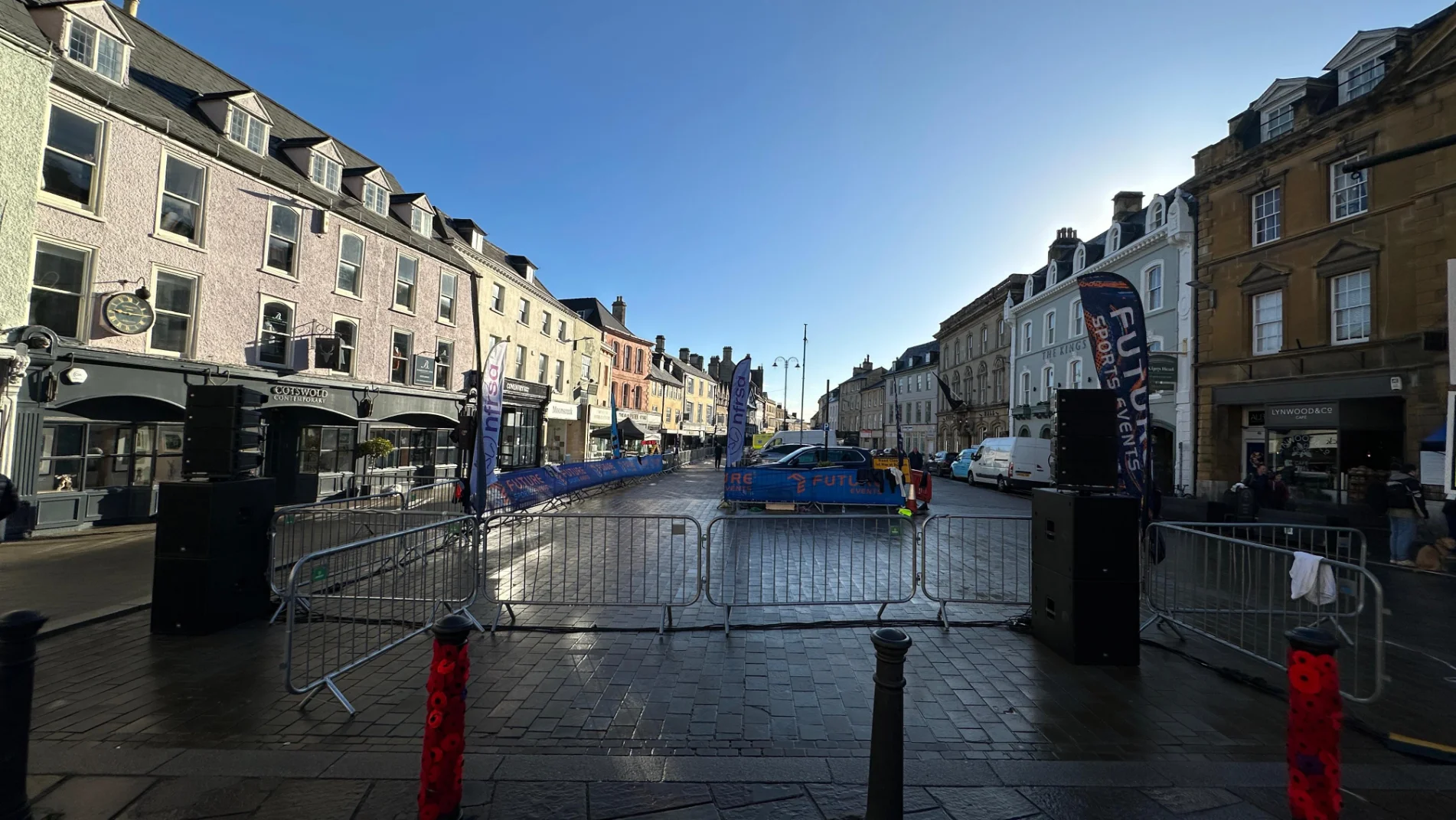
For example, many organisers underestimate how much power outdoor sports events require. Generators, backup systems, and cable routing need planning well before event day.
After planning, compliance moves from checklist to action.
This stage includes:
It is easier to adjust a plan at this stage than to explain to stakeholders why something was missed.
Another key step after planning a sports event is activating promotion properly.
Once logistics are secure, marketing can begin with confidence.
This includes:
Promotion without confirmed logistics creates pressure. Promotion after confirmation builds momentum.
Execution does not start on event day.
It begins when:
For medium to large sports events, load-in can begin days before the event itself. That timeline should be built immediately after planning is finalised.
This is where most events weaken.
Planning gives you direction. Organising gives you control.
If you want it in one sentence:
The next step after planning a sports event is organising and securing every resource needed to deliver it safely and professionally.
That means people, equipment, permits, power, logistics and communication all move from “planned” to “confirmed”.
Only once that happens does execution truly begin.

The next step after planning a sports event is organising and confirming resources. This includes securing suppliers, locking in technical equipment, confirming permits, assigning responsibilities, and finalising logistics before execution begins.
Yes. Planning involves outlining goals, budgets, and timelines. Organising involves turning that plan into confirmed bookings, secured equipment, approved permits, and a working delivery structure.
Suppliers should be confirmed immediately after the planning stage is complete. Leaving bookings too late increases cost, reduces availability, and creates unnecessary risk for match day.
Between planning and event day, organisers move into logistics confirmation, team coordination, technical setup planning, compliance checks, promotion, and rehearsal scheduling.
For medium to large sports events, technical production such as sound, lighting, staging, and power should be secured weeks or months in advance, depending on scale. Outdoor events typically require earlier confirmation due to power and safety requirements.
Small community events may manage with basic setups. However, larger sports events with crowds, commentary, presentations, or evening lighting usually require professional production support to ensure safety, clarity, and reliability.
Sports events move quickly and require technical coordination that goes beyond paper planning.
Beatz Hire supports organisers across the UK with sound systems, staging, lighting, power solutions and on-site production support for sports events of all sizes.
If your event is planned but not yet secured, now is the time to move from concept to confirmation.
Tell us what you are organising and we will help you lock in the right setup before match day arrives.
Have a question or ready to get started? Let us know what you need, and our team will guide you every step of the way to make your event exceptional.
Reach out to us directly via email or phone—we’re here to assist you with any inquiries or bookings.
Stay connected and see our latest events, updates, and behind-the-scenes moments.


